


What a Tower Rush fairness check establishes
A Tower Rush fairness check tests a result within the original Galaxsys game's own mechanism. It has a narrower purpose than deciding whether every part of an operator's service is satisfactory. For players in Pakistan, the account, PKR cashier and identity checks still belong to the chosen operator, even when the game result can be checked.
RNG and cryptographic verification
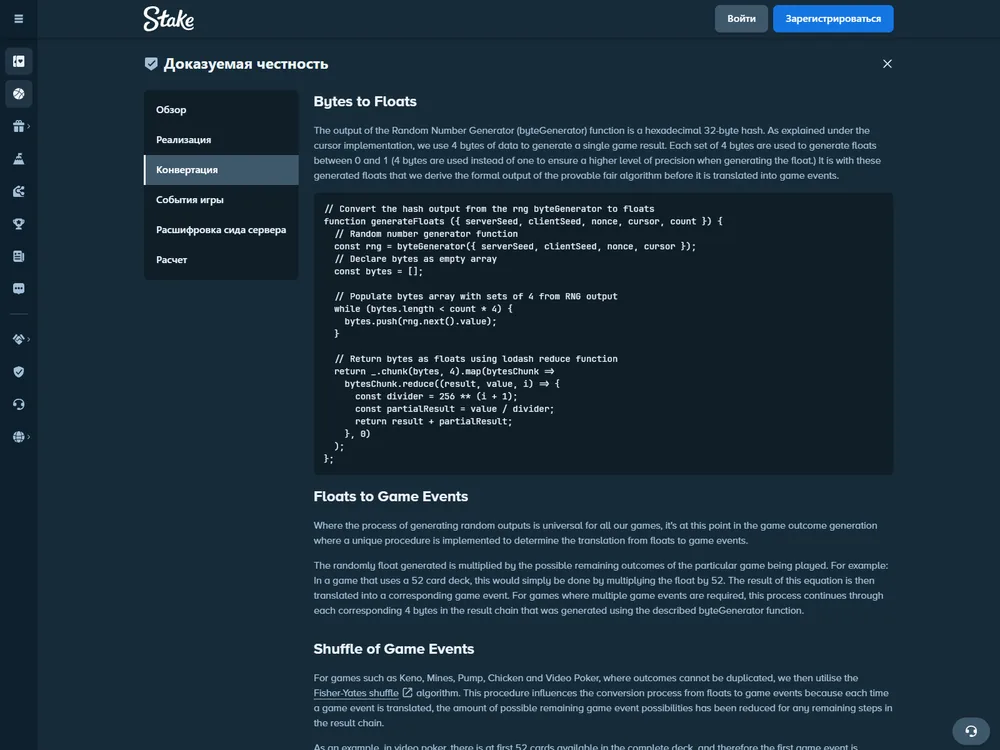
RNG and verification describe different parts of the process. Galaxsys describes random-number generation within its Provable Fairness feature; the verification route concerns the disclosed inputs and result for a particular round. A tower rush provably fair check therefore needs the matching game version and record, rather than a formula copied from a visually similar game.
The selected round's arithmetic reconciliation and cryptographic verification were completed separately. Its verification covers the commitment, full digest and reconstructed result within that round's version. Those comparisons concern the result that was checked; they do not certify every future round by association or turn its payout into a forecast.
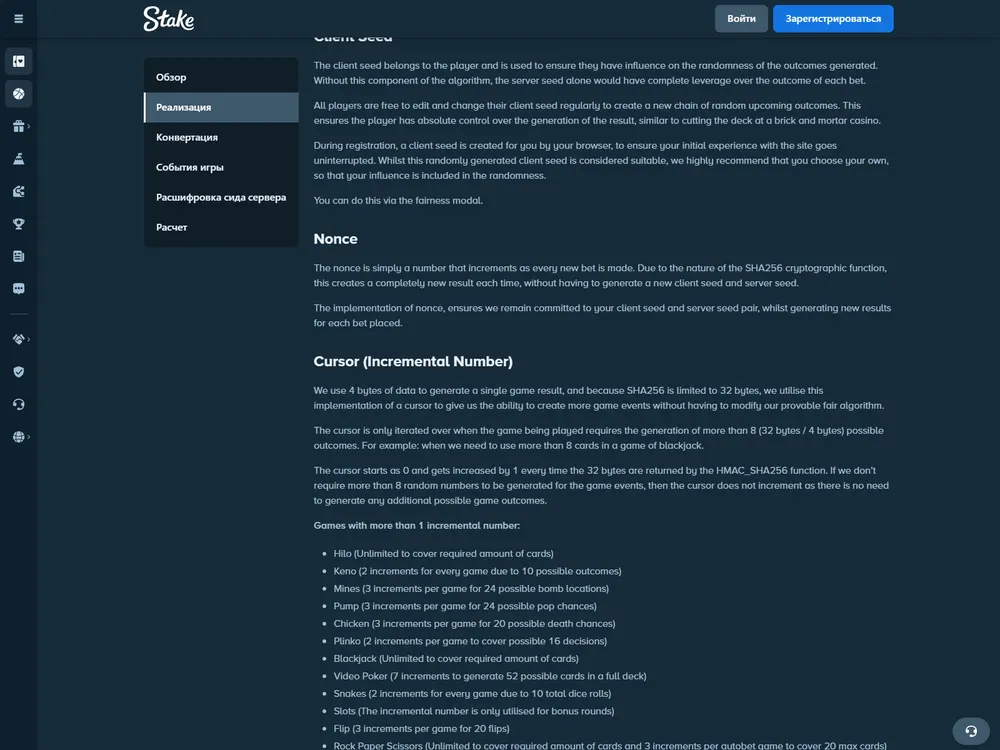
A rounded multiplier alone is not the full cryptographic result. The comparison must include the complete verification values and the version's result-conversion rule.
Keep the product and legal entities separate
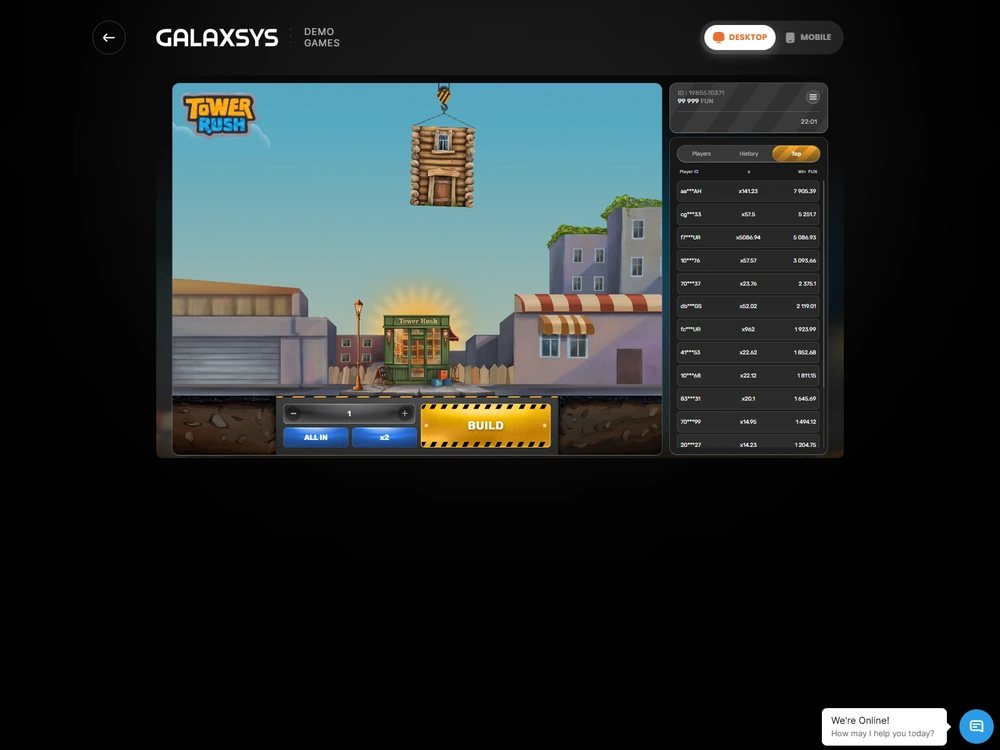
Original Tower Rush uses an individual Build and Cashout cycle, with Frozen Floor, Temple and Triple Build. Tower Rush 2 and Dragon Tower are different products. Their input formats, algorithms and gameplay descriptions must not be used to fill gaps in a check of the original game merely because their names or artwork look related.
Provider licensing and a game's technical verification have separate purposes as well. A provider logo does not establish the operator's licence, and neither makes Tower Rush Pakistan a casino. Use the original-game guide for product identification and the licensing guide for the relevant legal roles.
Using the shield, Key, Salt and Hash Code
The available interface route is to open the shield, copy Key and Salt, and compare Hash Code in the corresponding checking tool. Keep the round identity and version with those values. A result check loses its meaning if the values come from one round while the payout or game history being examined belongs to another.
| Element | Context | What it contributes |
|---|---|---|
| Game and version | Original Tower Rush by Galaxsys | Selects the applicable verification rules |
| Round identity | The result being examined | Keeps the inputs and outcome attached to one event |
| Key and Salt | Shield verification interface | Supplies the displayed values for the check |
| Hash Code | Recorded result and checking tool | Supports comparison of the complete verification value |
| Stake, gross and balance | Round history and account record | Supports arithmetic reconciliation, a separate task |
Follow the same round through the check
Use the information exposed for the completed round rather than substituting a convenient sample. Preserve the copied strings exactly, including their order and representation where the tool requires them. An accidental alteration changes the input being checked; it does not establish that the underlying game produced a different outcome.
- Open the original Tower Rush result you intend to inspect and retain its round identity.
- Open the shield verification interface for that result.
- Copy Key and Salt exactly as displayed, keeping them with the same record.
- Use the checking tool and instructions that correspond to that game version.
- Compare the full Hash Code and the result for the selected round, rather than stopping at a similar rounded multiplier.
- Reconcile the stake, payout and balance separately using the round history.
If the comparison does not match, first check that you selected the same round and version and copied the displayed values correctly. Keep the mismatch with the record when asking the operator to investigate. Do not replace the values until the display says what you expect, and do not interpret an incomplete comparison as a successful verification.
Before and after the outcome
Before a stake, you can inspect the rules, balance and previous history; that information does not reveal the next server outcome.
After settlement, you have the result and history, and cryptographic verification uses the exact disclosed inputs of the applicable version. The difference in timing is why a verification feature is not a prediction service.
The commitment, input handling, digest and result conversion belong to that implementation. Names such as Key or Salt should be kept as the interface presents them. Their labels alone do not justify importing another platform's seed-rotation procedure, byte mapping or nonce formula into this game.
Check the money calculation separately
Arithmetic checks whether the stake, gross payout, refund and balance agree. It can reveal a double-counted stake or a mistaken interpretation of Frozen Floor without performing any cryptographic calculation. I used the FUN round journal for the examples below; FUN values are demonstration units, not receipts for money withdrawn from an operator.
One stake, gross payout and net result
The original cycle begins with one stake deduction. Further Build actions in that accepted cycle do not create a fresh initial stake each time. Gross is the full game payout, while net subtracts the original stake; confusing those two amounts makes an ordinary return look more profitable than it actually was.
In my manual Cashout example, the stake was 6.00 FUN and the accepted multiplier was 1.80×. Gross was 6.00 × 1.80 = 10.80 FUN; net was 10.80 − 6.00 = 4.80 FUN. The balance moved from 2,192.50 to 2,197.30 FUN, independently confirming that 4.80 FUN increase. The account first lost the stake and then received gross, rather than receiving 10.80 FUN of profit. Checking only the payout would miss the debit side; checking only the final balance would leave the components unexplained.
| Case | Inputs | Gross or refund FUN | Net FUN | Meaning |
|---|---|---|---|---|
| Manual Cashout | 6.00 × 1.80 | 10.80 gross | 4.80 | One initial stake |
| Temple | 8.50 × 1.80 × 2 | 30.60 gross | 22.10 | Wheel result multiplies the current amount |
| Triple Build | 16.00 × 1.20 × 1.25 × 2 | 48.00 gross | 32.00 | Added floors do not mean three new stakes |
| Frozen followed by a fall | Stake 12.50; protected amount 31.25 | 31.25 gross | 18.75 | Protected amount survives the fall |
| Frozen followed by Cashout | Stake 11.00; final multiplier 6.25× | 68.75 gross | 57.75 | The earlier 27.50 protection is included |
| Return from background | Stake 21.00; settled payout 37.80 | 37.80 gross | 16.80 | One settlement of the original round |
| Technical void | Stake 18.00 returned | 18.00 refund | 0.00 | Refund is not game gross |
Read the bonus-floor calculation in order
Temple multiplies the amount accumulated at the time of the wheel result. In the example, 8.50 FUN had first reached 1.80×, giving 15.30 FUN, and the 2× wheel result produced 30.60 FUN. Multiplying the initial stake by the wheel alone would omit the accumulated floor multiplier and understate the actual gross.
The wheel has ten sectors: two each of 1.5×, 2×, 3× and 5×, one 7× and one Frozen sector. Counting visible sectors does not establish their probabilities.
Triple Build adds three floors without three separate stake deductions. I recorded a 16.00 FUN stake and successive factors of 1.20, 1.25 and 2, producing 48.00 FUN gross. The net was 32.00 FUN after subtracting the one original stake. Treating each added floor as another 16.00 FUN wager would describe a different transaction.
Frozen Floor requires particular care: protection can survive a fall or be contained within a larger successful payout. With 12.50 FUN staked, the protected 31.25 FUN was credited after the fall, leaving net at 18.75 FUN.
In the successful Frozen example, I staked 11.00 FUN, fixed 27.50 FUN and then cashed out at a total 6.25× for 68.75 FUN. Adding the protected 27.50 again would incorrectly produce 96.25 FUN. The correct net was 57.75 FUN, and the earlier protection was already part of the final gross.
After Frozen, new bonus floors do not appear in this profile; a subsequent successful floor has a multiplier of at least 1.5×. These rules describe the state of the accepted round. Changing a displayed stake for the next cycle does not retroactively change the original stake used by a retained feature.
Apply caps and distinguish a refund
The payout cap limits gross for one accepted round. In the FUN example, a raw amount of 12,875 FUN was limited to 10,000 FUN, leaving 2,875 FUN above the cap uncredited. The limit does not establish a universal multiplier because the ratio of a capped amount to a stake changes with the stake.
In the Pakistan money configuration, the gross cap is PKR 3,150,000.00, distinct from any cashier withdrawal limit. Intermediate multipliers are multiplied before final rounding; monetary gross is rounded half-up to PKR 0.01 after applying the cap. Rounding each intermediate stage independently can produce a different result from the specified sequence.
The cap also does not create an Auto Cashout control. The original game warns that continuing beyond Maximum Win cannot increase the payout above the limit and can still risk the accumulated amount. Read that behaviour as part of the round rules rather than assuming the interface will make a cashout decision on your behalf.
A void is another different case. My technical cancellation returned the original 18.00 FUN stake, producing a zero net change; that refund was not counted as a winning game's gross. A rejected request before server acceptance is different again: there is no accepted stake to refund, and the debit is zero.
Reconcile the whole short journal
The short FUN journal contained 25 accepted cycles, including one void and 24 settled rounds. Its initial debits totalled 381.00 FUN, but the void returned 18.00 FUN, leaving 363.00 FUN of comparable settled turnover. The distinction determines the denominator used to calculate the observed return.
| Item | Amount FUN | Treatment |
|---|---|---|
| Starting balance | 2,200.00 | Opening position |
| Initial stake deductions | −381.00 | Includes the later-voided stake |
| Void refund | +18.00 | Returned stake, separate from gross |
| Settled-game gross | +652.00 | Game payouts |
| Final balance | 2,489.00 | 2,200 − 381 + 18 + 652 |
| Net result | +289.00 | Final balance less starting balance |
| Comparable settled turnover | 363.00 | Initial deductions less void refund |
I reconciled 2,200.00 − 381.00 + 18.00 + 652.00 to the final 2,489.00 FUN balance. The observed return was 652.00 ÷ 363.00 × 100 = 179.614325%. That is the return of this short recorded session, whereas 97% is the mathematical RTP of the selected configuration; one does not replace or prove the other.
The new demo session reset 2,489.00 FUN to 2,200.00 FUN. Its −289.00 FUN adjustment belongs outside the settled-game totals: opening a fresh demo balance is not another lost round.
Why a delayed screen is not a settled result
The server determines the round result; an animation delay or connection timeout does not determine whether the stake lost. An accepted round may still be pending while the interface is waiting to show the final record. Check its identity and settlement rather than treating a frozen picture as a final transaction.
| State or event | Meaning | Balance consequence |
|---|---|---|
| Rejected before acceptance | Request did not become an accepted bet | No stake debit |
| Accepted and pending | Accepted cycle is not yet final | No automatic conclusion of loss |
| Settled | Final round outcome recorded | One applicable payout |
| Void | Accepted cycle cancelled for the relevant fault | Original stake returned |
| Reopening history | Reading the same recorded event | No second debit or credit |
I returned from the background to a round with a 21.00 FUN debit and one 37.80 FUN gross payout. Reopening the record did not repeat either entry. In the original cycle, receiving the same result again is not another bet, and the disappearance of the animation does not close an otherwise pending round.
Under the provider's disconnection rule, an accepted round ends after one hour of inactivity if the connection is not restored, and the registered win is credited. Equipment or software malfunction can instead void affected bets and payouts and return the stakes. These are separate rule outcomes, so do not substitute a guessed loss for the recorded settlement.
What verification cannot promise
Verification cannot promise your next result, profit or payment by an operator. For tower rush fairness, the useful boundary is the specific game result and its calculation. A correct check can accompany a zero payout, a protected Frozen payout or a successful Cashout; none gives you advance access to the next server outcome.
The selected 97% RTP implies a 3% expected house edge on fixed turnover, not a guaranteed 97% personal refund. Counting past winning floors cannot turn the short journal into that mathematical parameter. For the distinction between configuration, observed return and exposure, continue to RTP and payout mathematics.
Changing client graphics does not create a server credit or a transfer to your bank. A predictor claim and a completed-round check therefore require different scrutiny; the predictor and scam guide addresses those claims. Keep your own comparison tied to the original version, exact displayed inputs and final record, with arithmetic reconciled separately.
Play responsibly
Publisher and game roles
Tower Rush Fairness Checks for Hash Results and Round Settlement
FAQ
Can a correct Hash Code predict the next floor?
No. It checks the disclosed values for the selected result. Rules, past history and a completed verification do not reveal the next server outcome before you stake.
Does a matching payout calculation prove the cryptographic check?
No. Stake, gross, net and balance can agree arithmetically without that calculation checking the commitment and full digest. The cryptographic check must use the exact inputs and rules for the corresponding game version and round.
Does Frozen Floor get added again after Cashout?
No. When the final Cashout exceeds the protected amount, that protection is included in the final gross. In the example, the 27.50 FUN protection was part of the 68.75 FUN payout, not an additional credit.
Does a connection timeout mean the round lost?
No. Check the server's recorded state and final settlement. Pending is not a settled loss, and reopening the same history does not create another stake or payout.
Does provable fairness guarantee a withdrawal?
No. Game-result verification and an external withdrawal are separate processes. The operator's cashier, account verification, available balance and applicable conditions govern the withdrawal.

Abid Bilawal
Author: Abid Bilawal
Role: iGaming, betting and gambling expert
Experience: 10+ years analysing online casinos, game providers, games and payment systems
Published: November 6, 2026
Device: Google Pixel 10a / Android 16 / Pixel UI
Additional device: iPhone 16 / iOS 26.5
Methodology: Methodology
Publisher and licensing
Tower Rush Pakistan is an informational publisher about the original Tower Rush by Galaxsys. The publisher does not accept bets, hold operator funds, create casino accounts or promise returns. The game provider, casino operators and publisher are separate entities. Third-party trademarks belong to their respective owners.
Responsible gambling
Play responsibly. Gambling involves financial and personal risks. Set your limits. Need help? Contact GamCare or visit GambleAware. 18+.